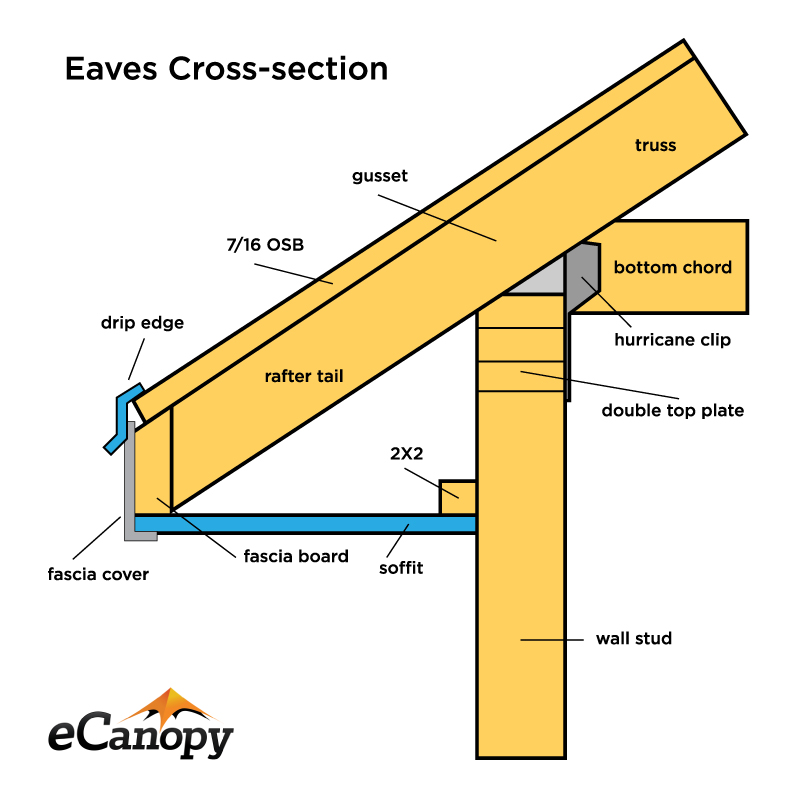
Its top edge is tucked up under the shingles and its outside face is where the gutter is mounted.
Roof anchor vs soffit anchor.
This product is convenient and disposable.
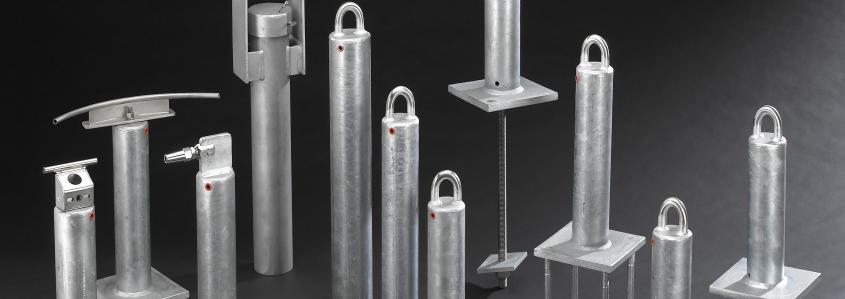
Roof anchors can be as simple as a d ring connection or as complex as a complete lifeline system.
Most roof rafters extend beyond the horizontal stud at the top of the wall called the wall plate.
Roof anchors can be used for securing lifelines and the tieback of suspension equipment or direct rigging of a bosun s chair for window cleaners.
To tell the difference let s take a closer look at how these two types of steel are made their common applications durability longevity as well as cost.
The rooftop anchor is comprised of.
The rafter tails will be readily visible on homes with open eaves.
Galvanized steel vs stainless steel.
B single point top connector attached to the top of the anchor for connection of a self retracting lifeline srl lanyard or lifeline subsystem.
What is the difference between galvanized steel and stainless steel.
Concrete anchors types vary and include concrete screws hammer set anchors lag shields lead screw anchors plastic wall plugs anchor bolts and more.
Use a stud finder to verify the rafter tails are present.
Fascia and soffits finish the edges of roofs by covering the ends of the roof rafters or roof trusses where they overhang the sides of the house the fascia is the wide board that s installed on edge and runs horizontally along the edge of the roof.
Both permanent and temporary roof anchor points are available.
Our expansive anchor product line meet or exceed osha and ansi safety standards and are compatible with new construction as well as retro fit projects.
These roof anchors are easy to install by nailing into the truss and easy to remove by hammering over the attachment point when the job is done.
The guardian fall protection snappy disposable roof anchor the guardian fall protection snappy disposable roof anchor is designed to fit any roof pitch.
To reduce rain penetration cut vent openings in the soffit material within 4 inches of the outer edge of the overhang.
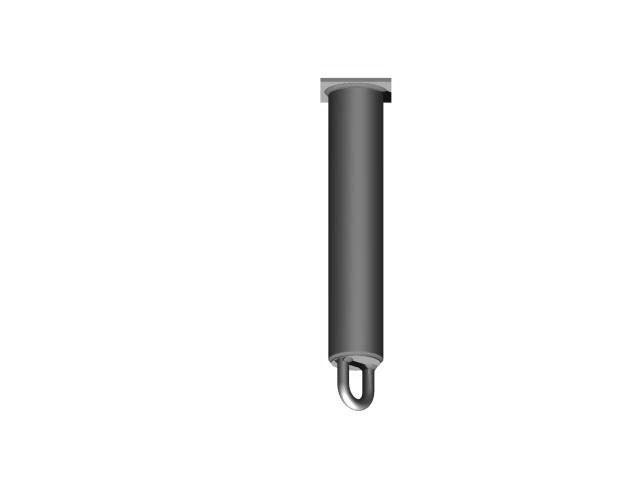
Figure 1 illustrates the rooftop anchor for metal concrete and wood roofs.
Anchor points are usually installed on the roof and are used to connect lanyards lifelines and other forms of tie off which prevent a worker from falling.
Soffit brackets mount under the eave and anchor into the rafter tails.