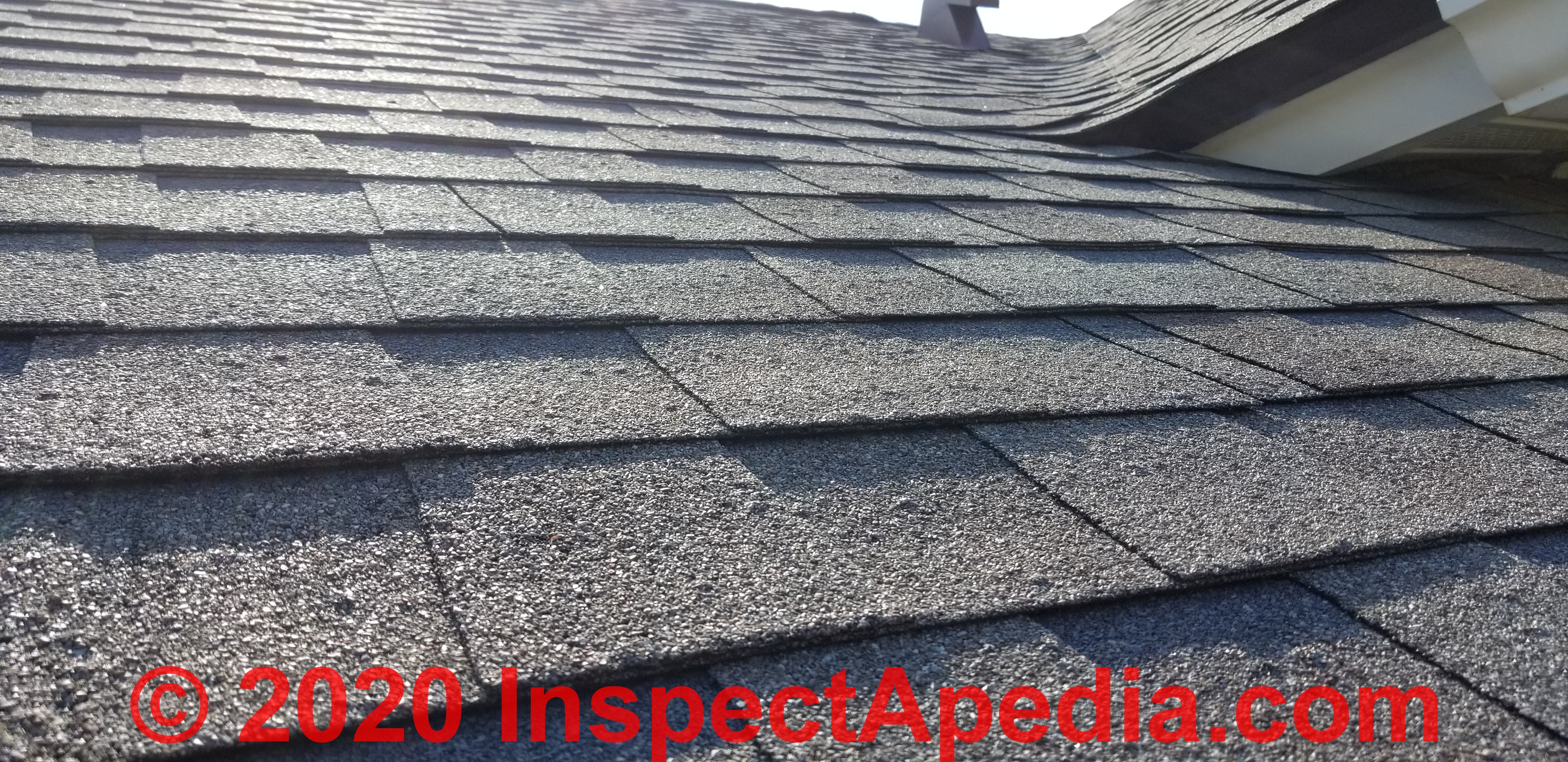
When you have no shade to block direct sunlight to a roof small blisters can form.
Roof blistering definition.
Roof blisters can be caused by any number of problems.
Blisters are typically small steep sided craters measuring a quarter inch 6mm or less in diameter with no granules visible in the crater.
Poor attic ventilation is another reason blisters will appear.
Membrane systems are most susceptible to blistering because blisters are formed by voids between the plies or at the point between the substrate and the membrane.
Although the atlas view is reassuring based on field observation and experience and visible in beginning stages in the photo of an atlas roof shingle above we ve seen early granule loss at the blister site.
So at least on some roof shingles rash blisters may indeed be an indication of a reduced life expectancy.
A roof blister is a raised area where there is a loss of adhesion of the roof.
Blisters or blister rash can be identified by inconsistent bubbles rising up from inside the shingle.
Built up roofs are particularly susceptible.
Shingle blistering as a roof defect.
Blistering only occurs in asphalt roof shinglesas it is a byproduct of manufacturing or installation.
All conventional low slope roof systems experience blisters in some form.
This area can fill up with air or water to form a blister which looks like a bubble on your roof.
A pocket of air trapped between the layers of a roof membrane between the components of a roof assembly or within a layered roofing product such as an asphalt shingle.
Typically asphalt shingles only blister where the exposure conditions on the roof include one or more of the following.
In some cases moisture can get trapped within the shingles during the manufacturing process.
What causes a blistering roof blisters often occur when excessive heat damages the roofing materials.
If left untreated a blister can grow larger and allow more moisture to get in so that the problem gets worse until more extensive repairs and possible replacement is necessary unless it pops.
The shingles are composed of different layers of material.
Construction definition roof blister.
Asphalt shingles can blister as a result of trapped moisture in the shingles.
Roof blisters can form if workers allow air or moisture to get trapped between layers during roof installation.
There are three primary issues associated with blistering.
Blistering is an asphalt shingle roofing problem that is often mistaken for hail damage and is one of the most common issues residential roofing contractors are called to fix especially during the summer.
The roofing company co takes a look at what causes asphalt shingles to blister and what can be done to prevent it.